Vacant Oak Cliff hospital has a buyer. Site Dallas tapped for homelessness services to be mixed-use instead
After the community resisted city plans, Dallas is selling the property to a developer
Written by Aria Jones, Staff Writter at The Dallas Morning News
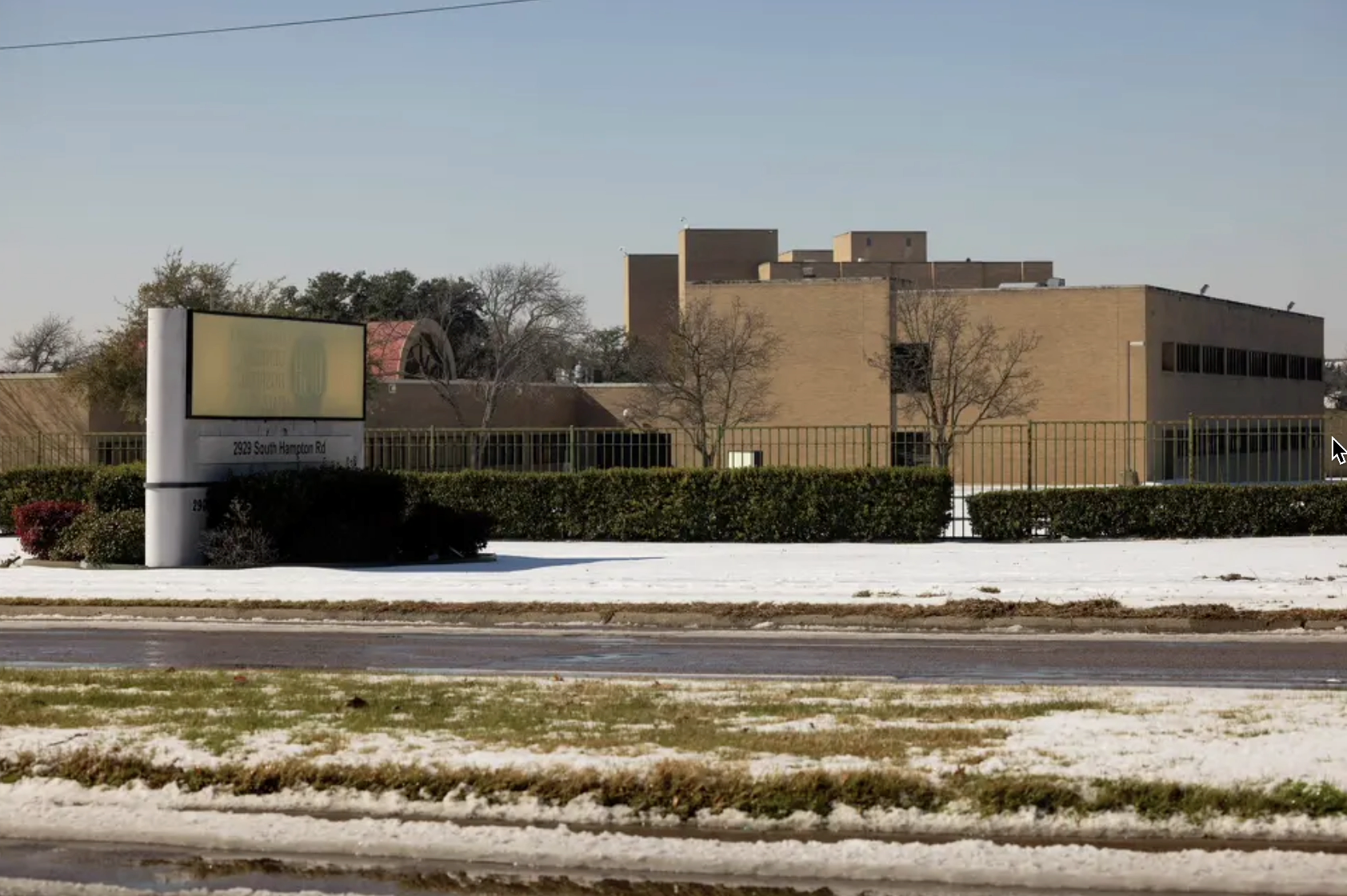
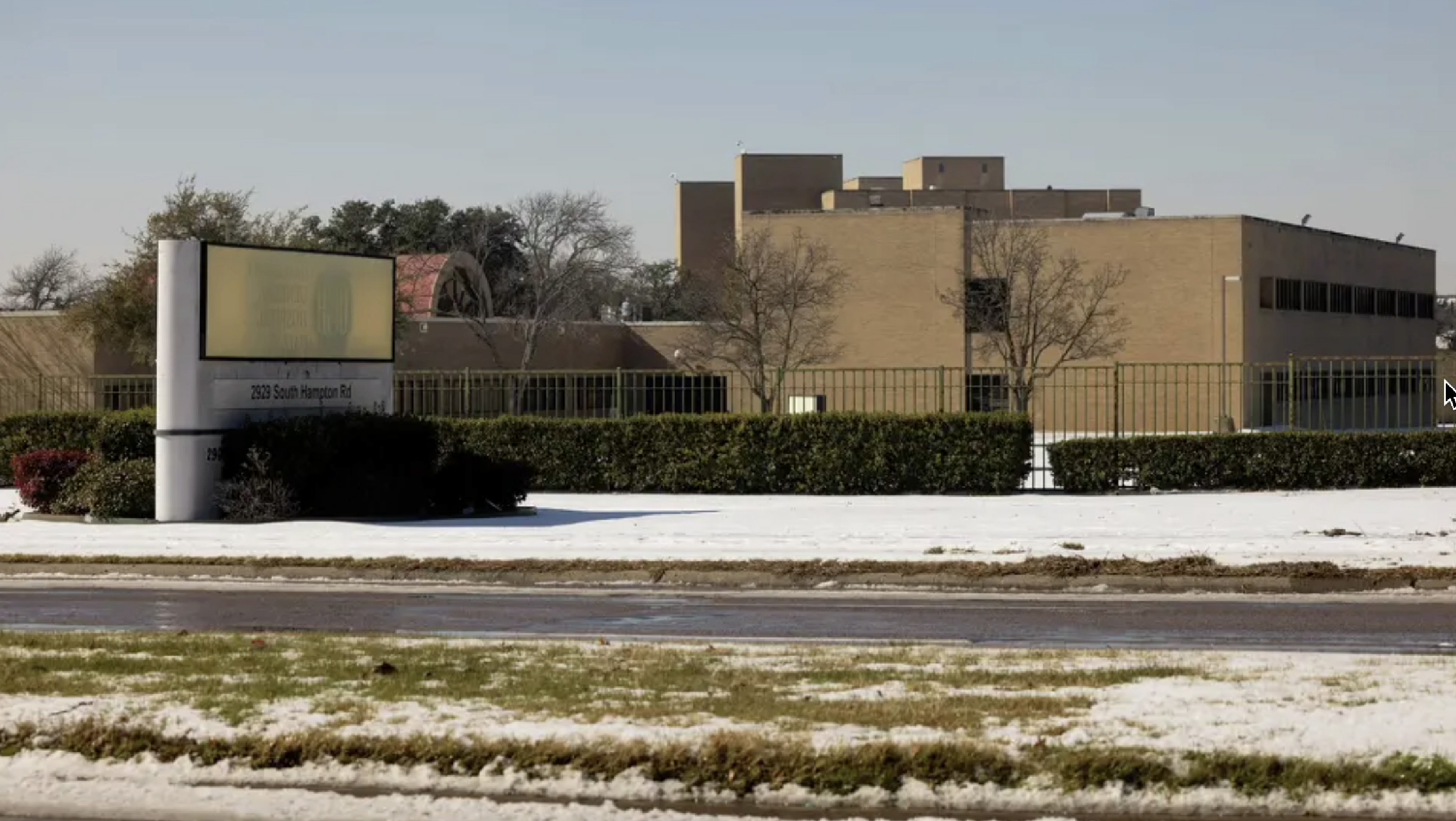
Dallas has a deal to sell the vacant Oak Cliff hospital site in southern Dallas for nearly $6.9 million to a developer who plans to build a mix of apartments, townhomes and retail space, city officials said Friday.
The sale comes as a relief to community leaders who objected to the city's previous plan to use the property for homelessness services.
The buyers could be turning "lemons into lemonade" with their plans to invest an estimated $60 million to redevelop the 14 acres near Kiest Park, said area council member Zarin Gracey. The land has largely sat vacant for more than a decade. The hospital closed in 2014.
Dallas bought the property for about $6.5 million in 2022, but scuttled its plans to put housing and other services for homeless people there when neighbors balked at the idea because the land is so close to a library, elementary school and the park. In a statement, city officials confirmed the purchase and sale agreement became effective Friday.
Residents have said they didn't want to see the area treated as a dumping ground for people with nowhere else to go, instead preferring amenities they say would put them on par with areas north of Interstate 30. Gracey called it the best possible outcome, with a developer the community seems excited about.
The city chose Options Real Estate for the sale. Monte Anderson, president of Options Real Estate, and planner Patrick Kennedy are leading the development. Anderson stressed the investment amount could change. And the deal, while in motion, is not done. According to the city, closing must occur by April 30, 2027. The buyer has a 90-day due diligence period to inspect the property, with the option to extend for a fee.
Anderson is looking to close within six months, going over the title, zoning, environment and expenses, anything that "could stop us from doing this project."
Anderson said he's not looking to gentrify or displace neighbors, instead offering "gentlefication," where locals participate in growth. An advocate for revitalization in southern Dallas, Anderson noted he grew up playing at Kiest Park.
"I would like to think, in my idealistic part of me, that this is helping rebuild the middle class and it gives people opportunities," Anderson said. "Especially in a place like Oak Cliff — it's pretty hot these days — it's hard to get opportunities for small businesses or affordable housing, for people to own things."
Anderson, an incremental developer, has been involved with several projects across southern Dallas and other parts of North Texas. The list includes the revitalization of the Texas Theatre in north Oak Cliff, work on the Belmont Hotel and surrounding housing in West Dallas, and Tyler Station, a mixed-use space in Oak Cliff.
He said the community deserves opportunities to build wealth and ownership and spoke to residents about his vision for the space at 2929 South Hampton Road in November before submitting the offer. The plan aims to create a "village" that includes rental apartments and could have amenities like restaurants, dance studios or salons.
The preliminary plan includes possibly transforming parking lot space into small, detached townhomes that would be deed-restricted, meaning one person would own each home. The restrictions could prevent a business from buying several and converting them to rentals, and the homeowners would be connected to the larger development, able to hold neighboring businesses accountable.
Anderson has said the hospital comes with infrastructure like water lines and elevators that could be used in the new development. He and Kennedy plan to include green spaces, with trees and walkable areas that connect to nearby streets and neighborhoods.
"I don't really want to hide from saying it. 'Oh, we aren't going to make any money, we're just do-gooders," Anderson said. "No, we're here to make money. But we're not here to make money at the expense of the neighborhood."
He said it's wiser to be attentive to the people who already live in the neighborhood and are invested in its success. Community support is a major factor in the project and the development is a partnership with the neighborhood, he said.
This reporting is part of the Future of North Texas, a community-funded journalism initiative supported by the Commit Partnership, Communities Foundation of Texas, The Dallas Foundation, the Dallas Mavericks, the Dallas Regional Chamber, Deedie Rose, Lisa and Charles Siegel, the McCune-Losinger Family Fund, The Meadows Foundation, the Perot Foundation, the United Way of Metropolitan Dallas and the University of Texas at Dallas. The News retains full editorial control of this coverage.
Click here to read original article here.